

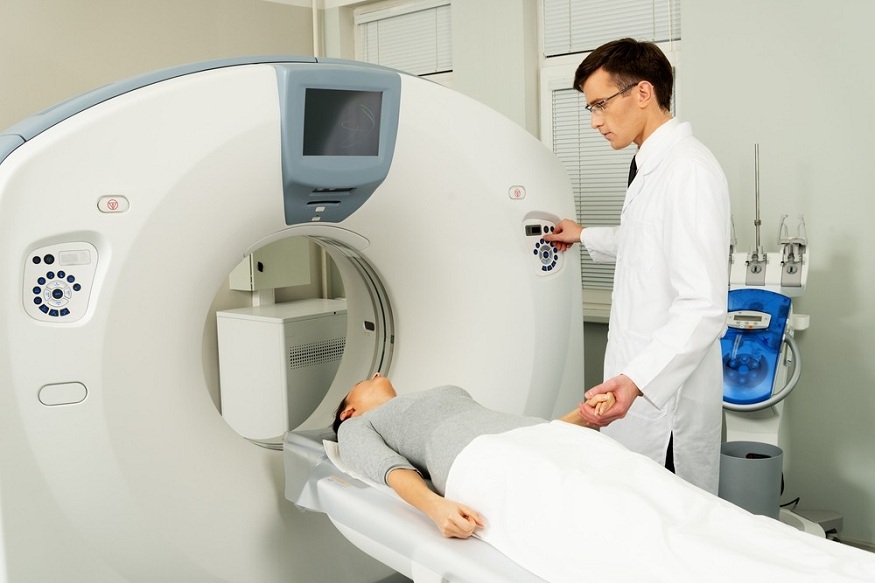
Magnetic Resonance Imaging (MRI) has become one of the most trusted diagnostic technologies in modern healthcare. It enables physicians to examine organs, muscles, nerves, joints, blood vessels, and other soft tissues with remarkable precision. In the opinion of Kasey McKillip, while the technology is considered highly safe and non-invasive, it operates using an extremely powerful magnetic field combined with radio-frequency waves. Due to this unique operating environment, every MRI examination begins with an important step known as MRI safety clearance.
Kasey McKillip discusses what is MRI safety clearance and why does it matter
MRI safety clearance is much more than a routine checklist. It is a comprehensive process designed to identify potential hazards before a patient, healthcare professional, or visitor enters the MRI suite. By carefully evaluating medical histories, implants, personal belongings, and equipment, imaging facilities can create a secure environment where diagnostic scans can be performed safely and efficiently.
Read More: Why Hearing Aids Play a Vital Role in Everyday Life
MRI safety clearance refers to a structured assessment conducted before every scan to ensure that nothing poses a risk within the magnetic environment. Since the MRI magnet remains active at all times, a single overlooked metallic object can lead to serious safety concerns. The process involves reviewing the patient’s medical history, identifying implanted medical devices, confirming the compatibility of equipment, and ensuring everyone entering the MRI area understands the necessary safety precautions. These steps are essential for preventing avoidable accidents and protecting both people and equipment. Rather than treating safety screening as a formality, healthcare providers rely on it as the first line of defense against complications that may arise during MRI examinations.
One of the most important aspects of MRI safety clearance is the detailed evaluation of each patient before the scan begins.
Patients are typically asked to complete a comprehensive questionnaire covering previous surgeries, implanted medical devices, occupational exposure to metal fragments, and other relevant medical information. The imaging team also conducts a personal interview to clarify responses and identify anything that may require additional investigation.
Particular attention is given to implanted devices and metallic objects, including:
- Cardiac pacemakers and implantable defibrillators
- Aneurysm clips
- Cochlear implants
- Neurostimulators
- Artificial joints and orthopedic hardware
- Insulin pumps
- Metallic eye injuries or shrapnel
- Surgical clips and vascular stents
Not every implant automatically prevents someone from having an MRI. Many newer devices are specifically designed to be MRI-conditional, meaning they can be scanned safely under certain conditions. However, verifying the device type, manufacturer, and safety guidelines is essential before proceeding.
Read More: How Botox Injections Work to Soften Dynamic Wrinkles
MRI safety extends far beyond the patient. Every individual who enters the MRI environment must also undergo appropriate screening. Healthcare workers, maintenance personnel, family members, and visitors may unknowingly carry objects that become hazardous near the scanner. Everyday items such as keys, mobile phones, watches, scissors, oxygen cylinders, wheelchairs, and even cleaning equipment can be strongly attracted to the MRI magnet if they contain ferromagnetic materials. To reduce these risks, MRI facilities require everyone entering restricted areas to remove metallic belongings and disclose any implants or medical devices they may have. Only MRI-compatible equipment is permitted inside designated MRI zones. In the opinion of Kasey McKillip, this careful screening helps eliminate unnecessary hazards while maintaining a controlled environment around the scanner.