

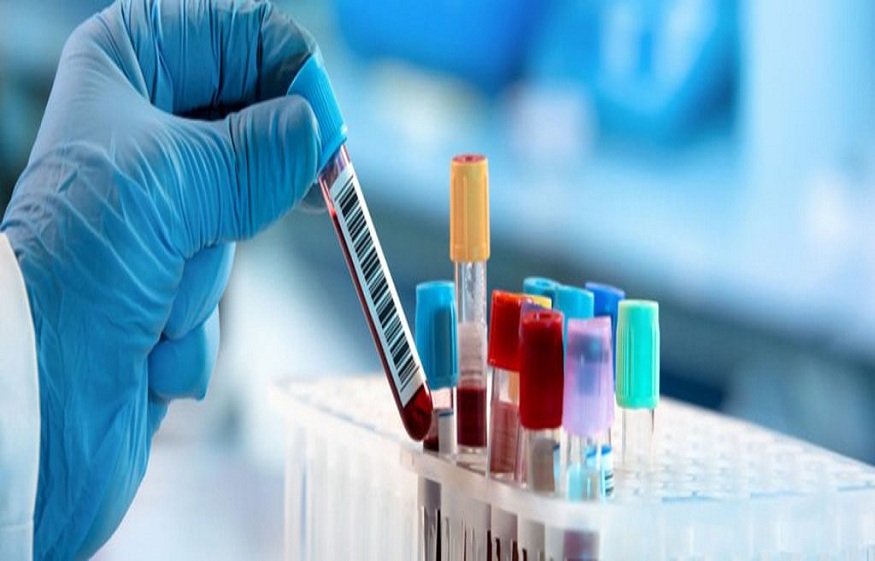
The health of your digestive system is the cornerstone to a healthy life. It aids in the digestion, assimilation of food and efficient elimination. But unhelpful eating patterns, stress, insufficient physical activity and not drinking enough fluids can have a negative impact on digestion and cause bloating, constipation, acidity or indigestion.
Thankfully, there are some very easy changes to eat and live that can also encourage a healthy digestive system. Eating properly and taking good care of yourself can help digestion and aid in general well being.
Why Digestive Health is important.
The digestive system is really important to maintaining your health. It helps to convert food into energy, boosts immune systems and repairs body tissue.
In addition, a healthy digestive system contributes to:
- Better nutrient absorption
- Increased energy levels
- Stronger immunity
- Improved metabolism
- Better gut health
- Overall physical well-being
Maintaining a healthy gut is good for your overall health.
Choose the foods that are high in fiber.Increase fibre intake of foods.
Fiber aids in normal digestion by regularizing the bowel movements and nourishing “friendly” gut bacteria.
Read More: How Healthy Lifestyle Choices Can Support Your GCC Medical
Dietary fibre is found in good amounts in:
- Whole grains
- Oats
- Brown rice
- Apples
- Pears
- Berries
- Carrots
- Broccoli
- Spinach
- Lentils and beans
Eat more fiber, a little at a time, and water to aid in digestion.
Stay Hydrated
It is important to have water for digestion. It assists in breaking down food, absorption of nutrients and softens stools.
Try and drink plenty of water during the day, especially when eating foods high in fiber.
Additionally, stay hydrated by drinking:
- Coconut water
- Fresh fruit-infused water
- Homemade soups
- Herbal teas
Enjoy smaller meals that are balanced.
Consider eating smaller meals throughout the day, rather than large meals.
This may help:
- Reduce bloating
- Improve digestion
- Prevent overeating
Keep up the Energy level
Balance carbohydrates, lean protein, healthful fats and vegetables in meals.
Always chew your food thoroughly.
The process of digestion starts in the mouth. Enzymes from food in saliva begin to break down food that is chewed thoroughly before it enters the stomach.
The technique of eating slowly can also help to avoid overeating and better digestion.
Probiotics and Prebiotics Foods are a very important component to consider.
There are beneficial bacteria in your gut that help your body to digest food.
Probiotic foods include:
- Yogurt
- Kefir
- Fermented vegetables
Prebiotic foods for healthy gut bacteria include:
- Bananas
- Garlic
- Onions
- Oats
- Asparagus
Both of them are good for maintaining a healthy gut flora.
Reduce highly processed foods.Reduce highly processed foods.
Frequently consumed foods are often rich in sugar quantity, unhealthy fats and artificial ingredients that can impact digestive health.
Try to reduce:
- Sugary drinks
- Packaged snacks
- Deep-fried foods
- Fast food
- Excessively processed meats
Eating foods instead of these improves digestion.
Don’t Skip Breakfast
Eating breakfast after waking up during the night gives your body its first energy boost, and sets your pattern for a healthy diet.
Read More: Tennessee Men’s Clinic Co-relates the Digital Balance of Men’s Health
A healthy breakfast can consist of:
- Oatmeal with fruit
- Whole-grain toast topped with eggs
- Yogurt with nuts
- Fresh fruit smoothie
A well-balanced breakfast is important for good digestion.
Exercise Regularly
Exercise helps in maintaining healthy bowel function and health.
Simple exercises include:
- Walking
- Cycling
- Yoga
- Stretching
- Swimming
Some individuals find that taking a 20-30 minute stroll after eating can aid the digestive process.
Manage Stress
In some, chronic stress can be a cause of tummy troubles.
Stress management is important and these are some of the healthy ways to manage stress:
- Meditation
- Deep breathing
- Reading
- Listening to music
- Spending time outdoors
- Getting enough sleep
A well-functioning mind can contribute to a healthier digestive system.
Late night heavy meals should be avoided.Heavy meals late in the night should be avoided.
Consuming a very full meal just before bedtime can cause some indigestion in certain individuals.
Try to:
- Have supper 2-3 hours before bedtime.
- Don’t eat too much at night.
- If possible, opt for lighter dinners.
- These habits can help to improve digestion.
Schedule routine health checkups for your child.Make regular health check-ups a routine with your child.
When digestive problems do not go away or get worse, they should not be ignored.
Health checks can detect:
- Diabetes
- Liver disorders
- Gallbladder problems
- Stomach disorders
- Nutritional deficiencies
Early medical assessment means that timely advice and appropriate treatment can be given.
In the event you are headed overseas and planning to work, stomach wellness is important as you will need to adjust in a much smoother fashion to the shift in food, climate and lifestyle. A healthy lifestyle, proper diet and hydration prior to the trip can help your overall health.
WAFID (Formerly GAMCA) Medical Examination
Applicants who are intending to travel for employment to the GCC countries will generally have to undergo an examination at a WAFID portal before clearance of their work visa.
Before your examination:
- Make medical appointments as early as possible.
- Check the information on your passport thoroughly.
- Bring necessary paperwork along.
- Please go only to the designated, approved health care centre.
These steps will make the medical examination process go more smoothly and prevent unnecessary delays.
Conclusion
A healthy diet, adequate water intake, regular exercise, stress management and dietary fibre all help promote digestive wellness and health.
Therefore, alongside regular completion of WAFID medical examination, the following healthy habits will help you prepare for your overseas career with confidence and peace of mind.